
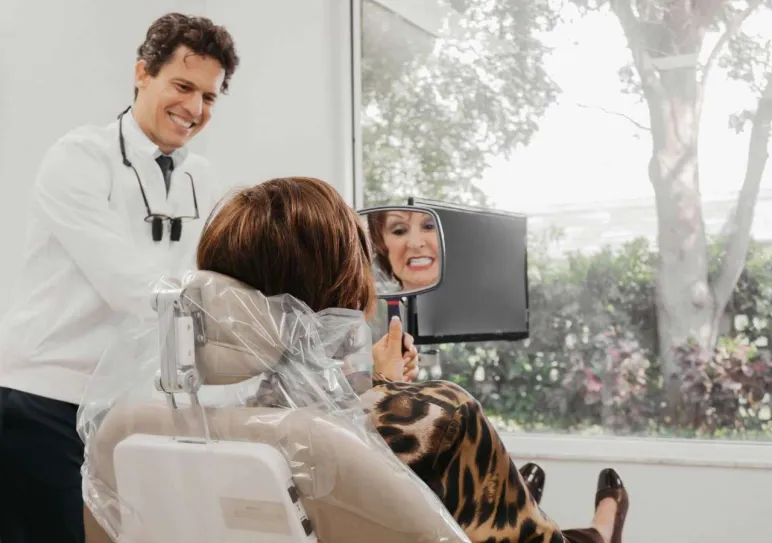
Professional Whitening, Prosthodontist-Supervised
Published by Dr. Roberto Macedo, DDS, MS, PhD, Prosthodontist
Over-the-counter whitening can damage enamel and cause sensitivity. Professional whitening is faster, safer, and produces results drugstore products cannot match.
Brighter, Whiter Smiles
A small selection of real before-and-after cases from our St. Petersburg practice. Every smile personally designed by Dr. Macedo and crafted in our in-house lab.


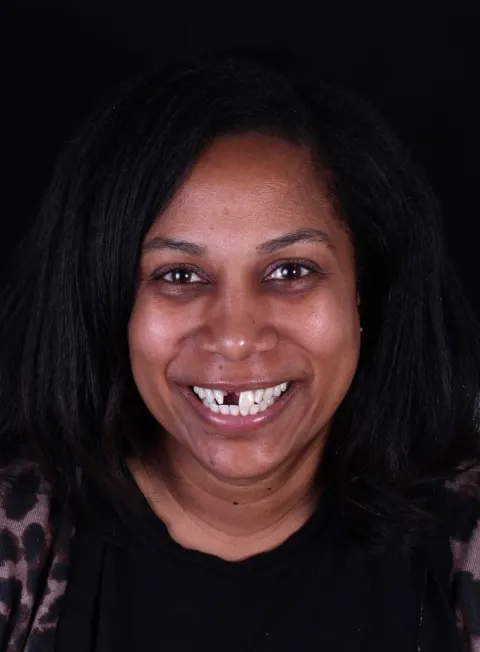


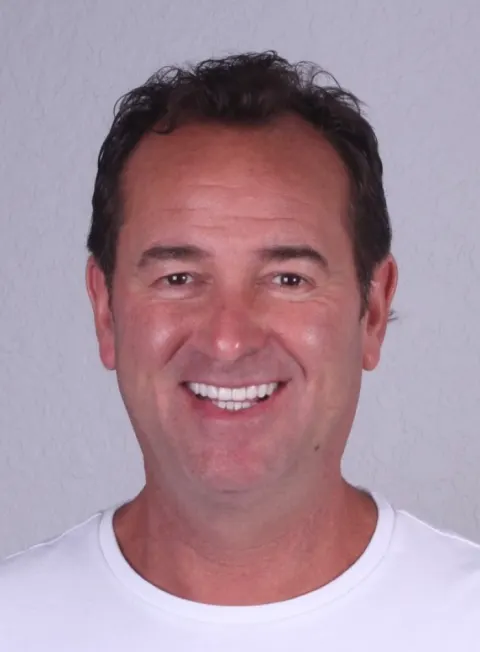
Individual results vary. Photos show real patients of this practice.
See Patient ReactionsTwo Options, One Prosthodontist's Plan
Some patients prefer in-office whitening in the chair. Others prefer take-home trays for gradual whitening on their own schedule. Both work. We help you pick the right approach for your case.
Before any whitening, we evaluate your enamel, existing restorations, and gum health. Whitening does not work on porcelain veneers, crowns, or composite fillings - they stay the original shade. If you are planning veneers later, whiten first so the veneer color match is to your brightest shade.
Sensitivity protocols, fluoride support, and follow-up are included. Most cosmetic offices do whitening as a quick add-on. We do it as a planned step.
Request a ConsultationWhitening Options
- In-office whitening: 1-2 visits, dramatic result, professional gel and light activation
- Custom take-home trays: Custom-fit trays + professional gel for use at home over 1-3 weeks
- Combined approach: In-office for initial result, take-home trays for maintenance
- Sensitivity-managed: Desensitizing protocols for patients with prior sensitivity
- Pre-veneer whitening: Whiten first, then color-match veneers to brightest shade
What Patients Ask
How white can my teeth get?
Most patients see 4 to 8 shades of brightening. Genetics, age, and your existing tooth structure set the ceiling, so we evaluate before recommending anything. Teeth are also naturally darker along the gum line, and those areas take longer to lighten than the rest of the tooth and usually stay a little darker.
Does it damage my enamel?
Professional whitening done correctly does not damage enamel. Over-the-counter products used incorrectly often do. The treatment is controlled and monitored the whole way through to protect your enamel and your gums, and that supervision is the safety.
Does it cause sensitivity?
Some patients get temporary sensitivity, and it usually settles within 24 to 48 hours. We use desensitizing protocols to manage it. If it flares while you are using take-home trays, leave the trays out for a day or two, try a fluoride rinse before and after, or shorten the time in the trays. Severe sensitivity is rare and usually preventable.
How long does it last?
Most patients maintain results for 12 to 24 months, though it varies: lifestyle, diet, and daily care decide where you land in that range. Coffee, wine, tea, and tobacco shorten it. Touch-up trays at home extend it significantly.
Will it whiten my crowns, veneers, or fillings?
No. Crowns, bridges, veneers, partial dentures, and composite fillings stay their original shade, because whitening only changes natural tooth structure. If you plan to add restorations, whiten your natural teeth first so the new work is color-matched to your brightest shade. If you already have restorations, we plan the whitening so the whole smile still reads as even.
How is this different from drugstore strips?
Concentration and supervision. Professional gel is far stronger than anything sold over the counter and is used with custom-fit trays or in-office isolation, so it reaches the tooth evenly instead of pooling wherever a strip happens to sit. Faster, more even, and safer for your gums.
How do the take-home trays work?
You get custom-fitted trays and professional Opalescence gel. Place a dot of gel inside the front of each tray, wear the trays for 2 to 4 hours, wipe away the excess with the gauze provided, then clean the tray with a soft brush and cool tap water. Do not eat or use tobacco while you are bleaching. Store the gel out of sun and heat, refrigerated is best, never frozen, and keep it out of reach of small children. The full instruction sheet is in the patient area.
What makes teeth darken in the first place?
Natural aging, for a start. On top of that: coffee, tea, red wine, and soda, tobacco in any form, some illnesses and medications, patchy daily hygiene, and fluorosis, which happens when teeth take on too much fluoride while they are still developing. Knowing which of those is driving your discoloration is part of the evaluation, because it also tells us how to keep the result once you have it.
Whitening is often step one in a bigger plan: see how it sits inside a full smile makeover. Further reading: in-office whitening versus take-home kits and professional whitening versus over-the-counter. Tray and aftercare instructions live in the patient area.
Book Your Whitening Consultation
First visit includes evaluation, photos, and a treatment plan tailored to your case.
Serving St. Petersburg, Tampa, Clearwater, Dunedin and the Tampa Bay area.