
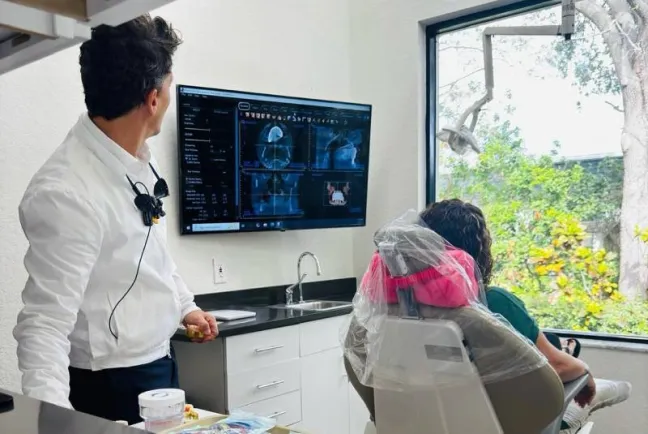
The Complex Cases Other Dentists Refer Out
Published by Dr. Roberto Macedo, DDS, MS, PhD, Prosthodontist
Full mouth reconstruction is not cosmetic dentistry. It is functional, structural, and life-changing dentistry that combines multiple specialties into one comprehensive treatment plan. This is what prosthodontists do.
Full-Mouth Transformations
A small selection of real before-and-after cases from our St. Petersburg practice. Every smile personally designed by Dr. Macedo and crafted in our in-house lab.
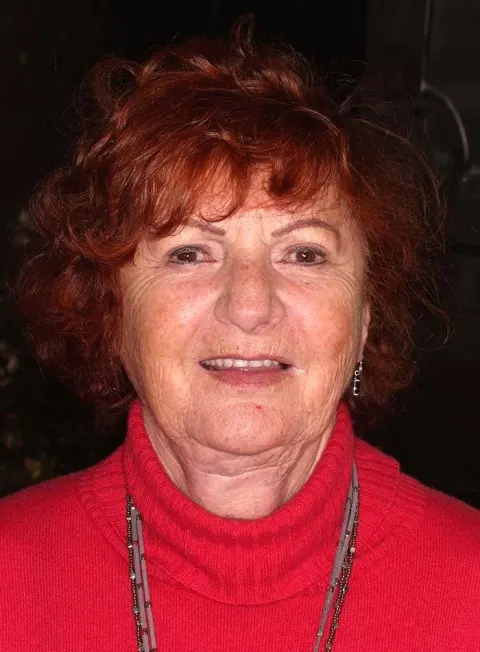
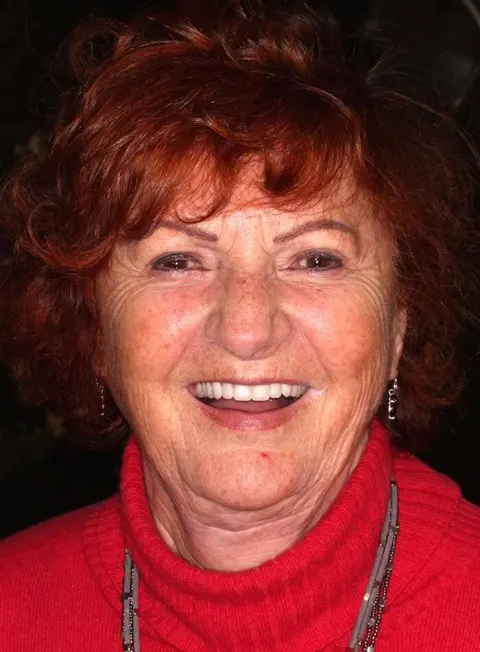
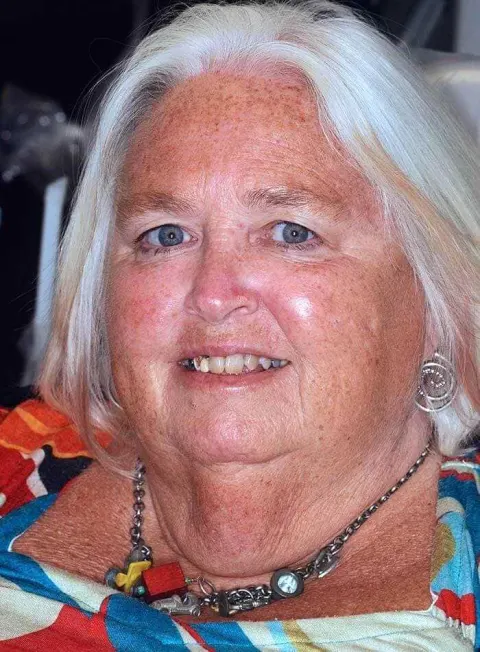
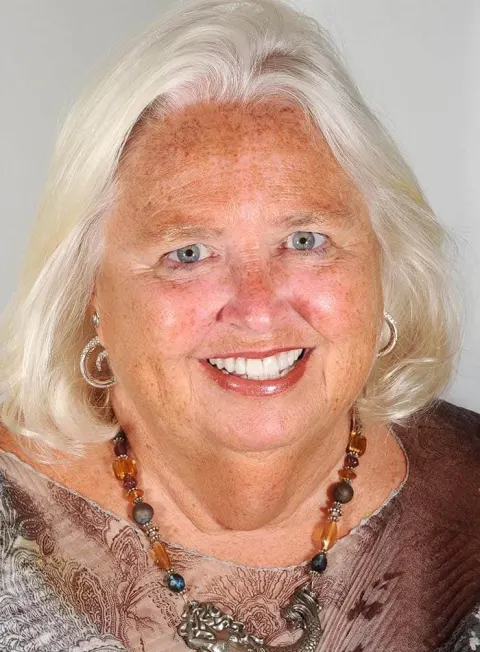
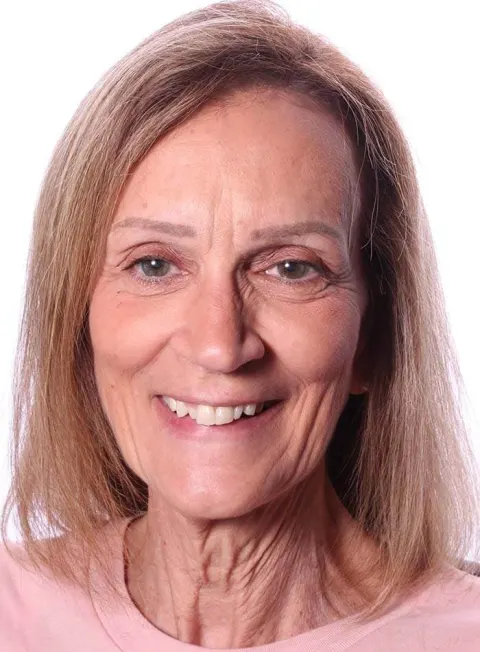
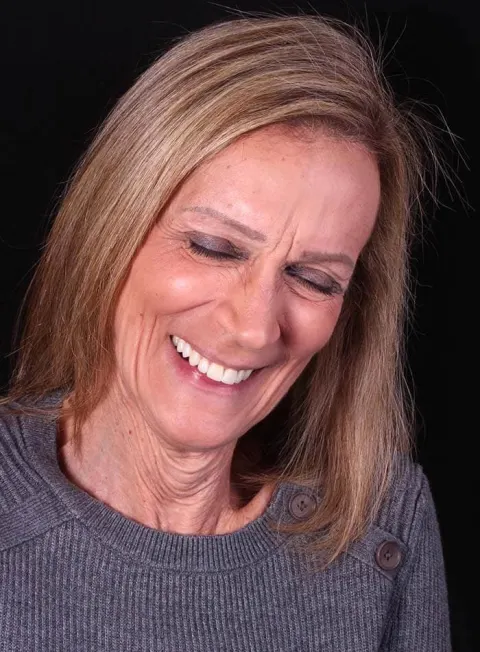
Individual results vary. Photos show real patients of this practice.
See Patient ReactionsCases That Demand a Prosthodontist
Full mouth reconstruction is the right approach when patients have widespread tooth loss, severe wear, advanced gum disease aftermath, complex bite problems, or the cumulative damage of years of incremental dental work that no longer functions together.
These are not single-tooth problems. They are whole-mouth problems that need a unified treatment plan rather than piecemeal fixes that compound over time.
Dr. Macedo's PhD prosthodontist credential and 24 years of experience mean these cases are within our practice's daily expertise, not edge-case work referred to other specialists.
Request a ConsultationConditions We Reconstruct
- Multiple missing teeth across both arches
- Severe tooth wear from grinding or acid erosion
- Failed previous extensive dental work
- Complex bite problems and TMJ-related dysfunction
- Post-cancer or post-trauma reconstruction
- Decades of accumulated incremental work that no longer functions
Four Patterns That Point to a Whole-Mouth Plan
Most people arrive here through one of four doors. If more than one of them describes your mouth, fixing a tooth at a time has probably stopped working.
Widespread Wear
Grinding, clenching, acid erosion
Teeth worn short, flat, or chipped right across the arch rather than in one spot. Once the wear is general, restoring a tooth at a time only moves the problem along the row.
Failed Prior Dentistry
Crowns off, bridges broken down
Several restorations giving up inside a few years. When that happens, the cause is usually the bite they all sit in, not bad luck on each individual tooth.
Many Missing or Damaged Teeth
Gaps on both sides
Teeth lost or broken to the gum line, with the survivors carrying far more load than they were built for. Replacing them piecemeal leaves the same imbalance in place.
Bite Collapse
Lost height, aching joints
The lower face looks shorter, the chin sits closer to the nose, and the jaw joints ache or click. Height lost across the whole mouth has to be rebuilt deliberately.
Tick What Applies to You
- You chew on one side only, or avoid certain foods completely
- Your teeth look shorter than they do in photographs from ten years ago
- More than one crown, bridge, or filling has failed recently
- Your jaw joints click, ache, or feel locked in the morning
- A partial denture moves, rubs, or lives in a drawer
- You have been told the work you need is beyond a general practice
Three or more ticks is usually the point where one planned rebuild costs less over a lifetime than another decade of separate repairs. See how those rebuilds turn out on the patient video wall, how patients pay for them on the financing page, or read the longer explainer on what a full mouth reconstruction actually changes.
Days or Months, Based on Your Case
How long a full mouth reconstruction takes depends entirely on your case. When no surgery is involved, we can often complete the work in a matter of days. When implants or surgery are part of the plan, it runs over several months. Either way, what matters most is the complexity, the accuracy, and the protocols behind the result. Patients traveling from another city, state, or country can still be treated efficiently and precisely.
1. Comprehensive Evaluation
3D imaging, models, photographs, bite analysis. Diagnostic mounting before any treatment plan.
2. Treatment Plan
Detailed sequencing of procedures, timeline, costs. Reviewed and adjusted with you before approval.
3. Foundation Work
Extractions, periodontal therapy, bone grafting if needed. Building a stable base for restoration.
4. Implant & Restoration
Implants placed, healed, and restored. Crowns, bridges, and other restorations fabricated by our in-house lab.
5. Bite Optimization
Final occlusion adjustments. Your bite should function naturally and protect your investment for decades.
6. Long-term Maintenance
Routine checks at 6 months, 1 year, and beyond. Ongoing polishing and minor adjustments at your maintenance visits.
Four Phases, Same Order, Every Case
Those six steps group into four phases, and the phases never change. What changes is how much healing time has to sit between them. That gap, not the dentistry, is what decides days or months.
-
Assessment and Records
Cone beam 3D imaging, digital scans, photographs, and a full bite analysis, then diagnostic models mounted the way your jaw really moves. Nothing is prepared until the records show what is going on underneath.
-
Design and Mock-Up
The finished smile is designed first, then worked backwards to the treatment that reaches it. You see it as a mock-up you can look at, judge, and change before a single tooth is prepared.
-
Staged Treatment
The agreed sequence is carried out: gum treatment and extractions where needed, implants or grafting where the plan calls for them, then the restorations. Procedures are grouped into as few sittings as the case allows.
-
Final Integration
Every restoration is fitted, the bite is balanced across the whole mouth, and shade and shape are checked against your face rather than only against each other. A night guard is made where grinding caused the damage.
Where no surgery is needed, these four run back to back and the case closes in days. Where implants or grafting are placed, phase three pauses for the bone to do its own work, and the rebuild runs over months. The 3D imaging and digital scanning behind phase one is what makes the difference clear on day one rather than halfway through.
The Lab Is Down the Hall
Most practices cannot compress a reconstruction, because the restorations are not made where the patient is. Impressions go out to an external laboratory, come back weeks later, get adjusted, and go out again. Two rounds of that and a month has gone before anything is finally fitted.
Our lab sits inside the practice. Master ceramists Giam and Antonio work steps from the chair, so a shade is checked against your face in person and a change is made the same day rather than posted back and forth.
That is the whole reason a non-surgical case can finish in days here. It is not a shortcut in the dentistry. It is the removal of waiting that was never dentistry in the first place.
Where a case does need several procedures grouped into one long sitting, oral conscious sedation is what makes that sitting comfortable, and it is the same thread: more finished per visit, fewer visits overall.
What Makes the Compressed Timeline Work
- Same-roof lab: design, milling, and layering happen in the building
- Master ceramists on staff: shade and shape adjusted in person, not by post
- Digital records: scans and 3D imaging in place of couriered impressions
- Grouped appointments: several procedures in one sitting where the plan allows
- Oral conscious sedation: long visits made comfortable, so more gets done per visit
- Travelling patients: out-of-state and overseas cases scheduled around the trip
What a Reconstruction Is Built From
A reconstruction is not one procedure. It is several, chosen for your case and sequenced so they work as one mouth.
Dental Implants
Replacement tooth roots, placed and restored by a prosthodontist. The foundation under most full-arch rebuilds.
Dentures and Partials
Removable and implant-supported options for arches where implants are not placed in every position.
Sedation Dentistry
Oral conscious sedation, so long appointments and several procedures fit into fewer visits.
Patient Stories on Video
Patients who went through a rebuild, describing it in their own words rather than ours.
Payment and Financing
CareCredit, Cherry, in-house payment plans, and how out-of-network benefits are handled.
Rehabilitation, Step by Step
A longer walk through what a full mouth rehabilitation with a prosthodontist involves.
Full Mouth Reconstruction, Answered
How long does a full mouth reconstruction take?
It depends entirely on your case, not on a package. When no surgery is involved, we can often complete the work in a matter of days. When implants, extractions, or grafting are part of the plan, healing sets the pace and it runs over several months. Your consultation gives you the real sequence for your case before anything starts.
Can a full mouth rebuild really be done in days?
For the right case, yes. What normally stretches a reconstruction out is the round trip to an outside laboratory. Our lab and master ceramists work inside the practice, so restorations are designed, made, and adjusted here. Take the posting and waiting out and a non-surgical rebuild finishes in days rather than months.
What is the difference between a full mouth reconstruction and a smile makeover?
A smile makeover is chosen. A reconstruction is needed. Makeovers work on appearance, usually across the teeth that show when you smile. Reconstruction rebuilds function first: the bite, the height of the lower face, and the teeth doing the chewing, with appearance designed in rather than added on at the end.
How do I know if I am a candidate?
The four usual patterns are widespread wear, several failed restorations, many missing or damaged teeth, and a collapsed bite. If more than one describes your mouth, single-tooth fixes have probably stopped holding. The comprehensive evaluation is what settles it, and it is a diagnosis rather than a sales appointment.
Will I be without teeth at any stage?
No. Temporary restorations are made and fitted so you leave with teeth you can eat and speak with throughout. They do a second job too: they let you live with the shape, length, and feel of the new design before the final restorations are made.
Do I need sedation for treatment this extensive?
Not always, but it is offered. Oral conscious sedation keeps you relaxed while staying awake and responsive, which is what allows several procedures to be completed in one sitting instead of spread across separate visits. Whether it suits you is decided after Dr. Macedo reviews your health history.
Does insurance cover a full mouth reconstruction?
We're a fee-for-service practice and out of network with all insurance plans. We help you maximize any out-of-network benefits your plan offers and submit the claims on your behalf as a courtesy. CareCredit, Cherry, and in-house payment plans are available if you would rather spread the cost.
I would be traveling in from out of state. Can that work?
Yes. Patients traveling from another city, state, or country can still be treated efficiently and precisely. The visit is planned around the trip, with records and the design settled as far in advance as possible so chair time goes on treatment rather than paperwork.
Prosthodontist Consultation Available
First visit includes a comprehensive evaluation and detailed treatment plan. You decide on your timeline, not ours.
Serving St. Petersburg, Tampa, Clearwater, Dunedin and the Tampa Bay area.